By Niche Partners
What will it take for Africa to attract more international conferences, exhibitions and business events?
The answer extends far beyond world-class convention centres or modern infrastructure. Increasingly, success depends on people—professionals who understand how to identify the right opportunities, build meaningful partnerships and position African destinations to compete on the global stage.
These themes set the tone for the second Africa’s MICE Research and Business Development Fellowship Programme, an initiative by Niche Partners that is empowering the next generation of business tourism professionals across the continent.
Now in its second year, the three-month Fellowship is designed to build Africa’s capacity in research and business development within the Meetings, Incentives, Conferences and Exhibitions (MICE) sector. Bringing together professionals from Uganda, South Africa, Zambia, Zimbabwe and Nigeria, the programme equips Fellows with the strategic knowledge, commercial acumen and research capabilities needed to grow Africa’s business events economy.
However, the Fellowship is far more than a series of classes. It is a comprehensive professional development experience that combines expert-led learning with mentorship, practical application and peer collaboration. Throughout the programme, Fellows are guided by experienced industry mentors while becoming part of a growing pan-African network of business events professionals who will continue to share knowledge, create partnerships and support one another long after the Fellowship concludes.
The programme opened with two exceptional African thought leaders whose careers have helped shape the continent’s business events industry. Although their areas of expertise differ, Nonnie Kubheka and Keshni Reddi delivered remarkably complementary insights that established the Fellowship’s central theme: attracting business to Africa requires both strategic decision-making and purposeful collaboration.
Winning the Right Business
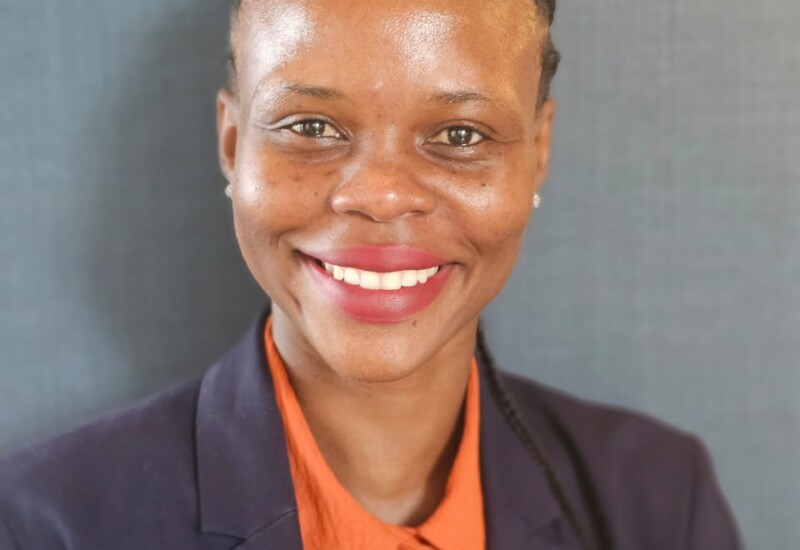
 A recognised MICE thought leader Nonnie Kubheka has spent more than 25 years helping destinations compete for major international conferences, exhibitions and sporting events. As the head of the Gauteng Convention and Events Bureau, she has successfully led bids that have generated significant economic value while elevating Gauteng’s profile as a leading business events destination.
Her message challenged one of the industry’s biggest misconceptions—that success is measured by the number of bids submitted. Instead, Kubheka encouraged Fellows to think strategically.
Every bid represents an investment of time, financial resources, expertise and stakeholder commitment. Successful destinations therefore resist the temptation to pursue every opportunity and instead focus on those that align with their long-term economic priorities and competitive strengths.
Will the event contribute to priority industries? Can it create meaningful economic and social impact? Does the destination have the partnerships, infrastructure and expertise required to deliver it successfully?
These are the questions that transform bidding from an administrative exercise into a strategic business development tool.
For many participants, her session reinforced an important principle that extends beyond bidding itself: sustainable growth begins with informed decision-making.
Building Partnerships That Matter
If Kubheka demonstrated how destinations should choose opportunities, commercial strategist Keshni Reddi explained how those opportunities become reality.
 With more than 25 years of experience leading commercial initiatives, including the Smart Procurement Indaba, Festival of Eventing and the Small Business Helpdesk, Reddi has built her career around creating partnerships that generate shared value.
Her message was equally strategic.
Successful partnerships begin long before organisations request support or sponsorship. They begin with understanding the ecosystem.
Who are the key stakeholders? What motivates them? What challenges are they face? Where do shared interests exist?
Through practical ecosystem mapping tools and partnership development frameworks, Reddi encouraged participants to view collaboration through the eyes of their partners rather than their own organisations.
This shift in perspective enables stronger relationships, greater trust and more sustainable outcomes.
In an industry where governments, convention bureaux, associations, academia and the private sector must work together to attract and deliver successful business events, partnership is not an optional extra—it is a strategic capability.
Different Expertise, One Shared Vision
Although Kubheka and Reddi approached business development from different perspectives, their presentations formed a natural partnership of ideas.
Strategic bidding without meaningful partnerships is difficult to sustain.
Partnerships without strategic purpose struggle to deliver measurable impact.
Together, they demonstrated that Africa’s future competitiveness will depend on professionals who can combine research, strategy and collaboration to unlock opportunities for their destinations.
Just as importantly, both women exemplify the strength of African leadership. Their decades of experience and willingness to share practical insights reflect the spirit of the Fellowship: developing African expertise to solve African challenges while competing confidently on the
global stage.
Building Capacity for Africa’s Future
Africa’s MICE Research and Business Development Fellowship Programme was created to strengthen the continent’s business events industry by investing in its greatest asset—its people.
As international competition intensifies, destinations need professionals who can conduct meaningful research, identify commercial opportunities, develop strategic partnerships and make evidence-based decisions that create lasting economic value.
That is precisely what the Fellowship is designed to achieve.
Participants engage with leading African thought leaders, benefit from one-on-one mentorship and become part of a growing community of practice that extends across borders. The diversity of the cohort creates opportunities for peer learning, regional collaboration and the exchange of practical experiences between professionals working in different markets but facing similar opportunities.
By connecting professionals from Uganda, South Africa, Zambia, Zimbabwe and Nigeria, Niche Partners is helping to build a continent-wide network of practitioners committed to advancing Africa’s MICE industry through innovation, collaboration and continuous learning.
The knowledge gained in the Fellowship will not remain within the classroom. It will be applied in destinations, convention bureaux, tourism organisations, associations and businesses across Africa, creating a ripple effect that strengthens the industry’s long-term competitiveness.
A Journey Worth Following
The opening sessions have established an inspiring foundation for the months ahead. Nonnie Kubheka reminded Fellows that attracting business begins with making smart strategic choices, while Keshni Reddi demonstrated that meaningful partnerships are the bridge between ambition and achievement.
Their combined insights represent more than two excellent presentations—they reflect the mindset required to position Africa as a leading destination for global business events. Over the coming months, the Fellowship will continue to feature distinguished African and international thought leaders who will challenge participants, share practical expertise and inspire innovative approaches to research, business development and destination competitiveness.
Niche Partners invites business events professionals, destination marketers, convention bureaux, policymakers, associations and industry stakeholders to follow this journey as we share the ideas, conversations and leadership emerging from the Fellowship.
Together, we can strengthen Africa’s business events ecosystem, foster meaningful collaboration across borders and showcase the continent as a destination where world-class business events create lasting economic and social impact.
Because attracting business to Africa is not the responsibility of one city or one country—it is a shared continental opportunity. Through strategic thinking, purposeful partnerships and a commitment to developing people, Africa is bbuilding the leadership needed to shape the future of the global MICE industry.