End 2026 on a high note by locking in your function date, and trying something new
Love them or hate them, end-of-year celebrations are a staple on the corporate calendar. They’ve become an important part of team building, a way to share company results and set out plans for the new year and, more recently, a chance to bring hybrid teams together for a day (or evening) of in-person bonding. But rule of thumb? If you haven’t secured your date, venue and suppliers by end-August or beginning of September, pickings will be slim.
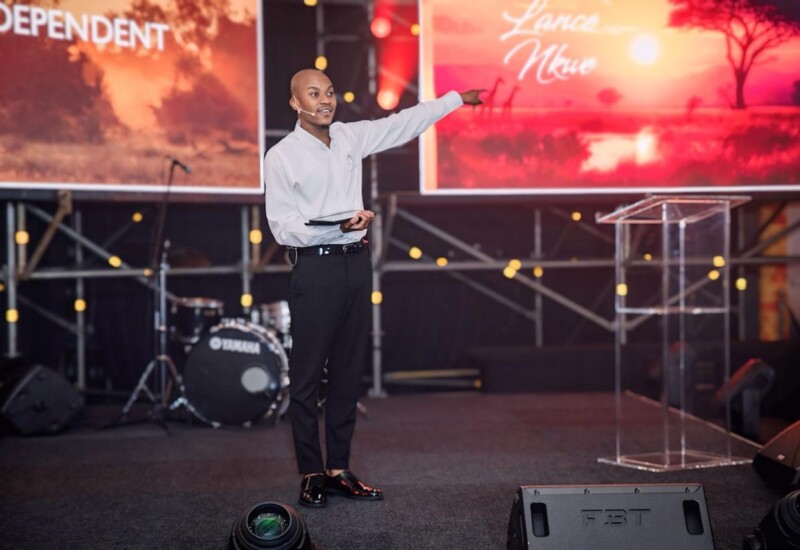
“Year-end remains the event South African businesses take most seriously, so it’s best to plan – and commit – as early as possible. Especially if you’re looking for a Thursday, Friday or Saturday night in November or December,” says Lance Nkwe, Business Leader at FCM Meetings & Events South Africa. “We’re already taking briefs for everything from small team lunches to three-day events.”
Peak season for year-end functions ends around 15 December, with 16 December being the Day of Reconciliation, a public holiday in South Africa. This year it falls on a Wednesday, so most companies will want to wrap up festivities by Friday 11 December before staff head off on leave. And the time always goes quicker than you think.
What companies are booking
As Nkwe explains, larger organisations are leaning into multi-part celebrations that fold several moments into one programme: a team-building session, a conference covering results and the year ahead, then awards, a gala dinner and an after-party. Leaner teams are keeping it simpler, with a team build followed by a relaxed lunch and drinks.
Format choices are firming up too. Dinners are landing as either seated or canapé, while lunches split between buffet setups, harvest tables and restaurant bookings for smaller groups.
“Some clients want the full arc across a day or two, others just want a great team build with a good meal to close,” says Nkwe. “Both work; it’s about matching the format to the team and deciding on the mood you’re after.”
The trends shaping the festive season
Importantly, it doesn’t have to be boring. The clearest shift is away from the rigid sit-down dinner towards more “immersive” formats where entertainment is built into every aspect of the programme. Locally, the return of Madame Zingara (now The Royal Countess Zingara) has raised the bar, its theatrical “tent of dreams” pairing a four-course feast with cabaret, acrobats, comedians, singers and eccentric performances delivered around and above the dining tables. The countess aside, more and more thought is being given to MCs, music and moments of spectacle. Not to mention interesting venues. Think craft breweries or speakeasys, for example, Nine Lives, which is tucked between floors four and five of Hyde Johannesburg Rosebank and known for its 1970s glamour, Asian-inspired menu and the novel thrill of having to find it first…
Of course, broader trends are playing out too. Sober-inclusive menus are maturing, with creative zero-proof cocktail bars sitting alongside premium wines and spirits rather than added as an afterthought. Sustainability remains an important consideration, with procurement teams and planners looking for eco-certified venues, seasonal local menus and a lighter touch on single-use décor.
Corporates are playing with catering too. Think food trucks, grazing tables and ice-cream stations. Increasingly, the food flows with the event, from welcome drinks through to late-night bites, rather than one fixed sitting.
Team building: all fun, zero cringe
Team building has shaken off its reputation for forced participation and “trust falls”. The move is towards experiences people actually want to show up for, often getting teams out of the boardroom and into the city.
“Amazing Race, Survivor and digi-hunt formats still land well,” says Nkwe. “But clients are definitely getting more creative with their requests.”
In Johannesburg, a tuk-tuk tour through Soweto has become a firm favourite, winding past Vilakazi Street, Mandela House and the Hector Pieterson Museum with a kota or two along the way; Lebo’s Soweto Backpackers runs group tours from around R860 a head.
In Cape Town, consider a walking tour through the Bo-Kaap or along an Apartheid-to-Freedom route. In Joburg and Cape Town, City Sightseeing SA’s iconic open-top red bus, with its hop-on hop-off routes, is another easy way to get a team out and about.
And as everyone gets more active, padel has muscled its way onto the roster. In Durban it’s now one of the most popular corporate options going, with clubs like PadelNation and Africa Padel set up to host groups. The city’s Golden Mile also lends itself to a beach-Olympics-style afternoon of friendly competition before sunset drinks.
Whatever the format, the thinking has changed. The best days focus on genuine fun, often paired with a bigger purpose, whether that’s donating a team’s prize money to a charity of their choice, packing Santa Shoeboxes or hosting a Christmas party for a worthy school. Increasingly, team building has a purpose beyond team dynamics.
Budget: cost per head is king
After a tough year, Nkwe says that many companies are now focused on cost per head.
“Rather than an overall budget, a client will tell us they’ve got 120 people, with a budget of R350 per head for dinner, drinks and a few special touches,” he says. “We always look for a way to make a modest budget feel generous with the right details. But you have to book early.”
For Nkwe, tighter budgets needn’t mean a flat event. Activity-led gatherings often land better than a formal seated dinner, weekday or off-peak dates unlock better rates, and drawing on your own team’s interests and passion projects often keeps the costs down while feeling personal.
But his advice remains: If year-end matters to your team, get it in the diary today. Then build an event that your whole team will love and wouldn’t miss for the world.