The Federated Hospitality Association of Southern Africa (FEDHASA) has raised concerns about the Minister of Labour’s decision to extend the Main Agreement of the Bargaining Council for the Fast Food, Restaurant, Catering and Allied Trades to non-parties across the industry. FEDHASA believes the decision warrants urgent legal scrutiny and is coordinating an application to the Labour Court to seek clarity on whether the statutory requirements for the extension have been met.
Published in Government Gazette No. 55542 on 16 October 2026, the extension is scheduled to take effect on 26 October 2026.
FEDHASA is calling on affected restaurant owners and hospitality employers to participate in the legal application and contribute towards the associated legal costs.
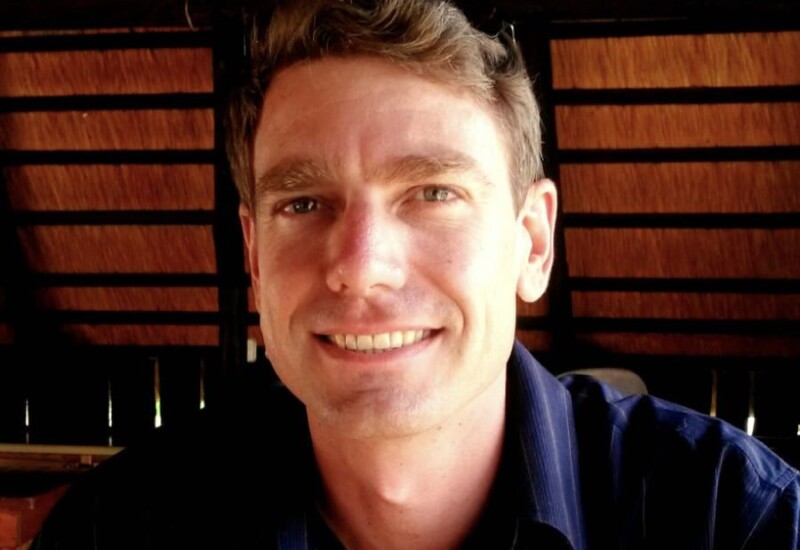
“FEDHASA understands the importance of fair employment practices and the role of collective bargaining in the hospitality sector. Our concern is not with the agreement itself, but with ensuring that the process by which it is extended to non-parties meets the legal requirements that exist to protect all affected parties, including employers who were not part of the original negotiations. We believe these questions deserve proper consideration by the courts,” said Brett Tungay, FEDHASA National Chairperson.
Implications for restaurant operators
The agreement introduces a range of employment-related obligations for affected businesses, including:
- Prescribed minimum wages, ranging from the national minimum wage of R30.23 per hour to R57.23 per hour for certain categories, including chefs and managers.
- Employer contributions of 5% towards the Council’s Provident Fund, in addition to the employee contribution.
- Contributions towards a funeral scheme.
- A uniform cleaning allowance of R17.50 per week.
- A minimum annual bonus equivalent to two weeks’ salary.
- Council levies of R16 per employee per month, shared between employer and employee, and a R25 monthly levy per establishment payable by the employer.
The association recognises that the restaurant industry encompasses a wide range of businesses, from large groups and independent restaurants to family-owned establishments, small cafés and tourism-dependent operators. Regulatory requirements can have meaningfully different consequences for businesses with different resources, turnover and staffing structures, and this diversity warrants careful consideration. FEDHASA encourages members to seek appropriate advice regarding their individual circumstances.
Legal process and next steps
FEDHASA has previously engaged with a similar matter, with the Labour Court granting an interdict on 2 March 2021. The association is now coordinating a fresh urgent legal application in respect of the current extension.
The outcome will be determined by the Labour Court, and FEDHASA will pursue the matter through the appropriate legal channels. The association is committed to engaging constructively with all relevant stakeholders throughout this process.
“FEDHASA has a responsibility to its members and to the broader hospitality sector to ensure that questions of this nature receive proper legal consideration. We are not seeking confrontation – we are seeking clarity. Where legitimate concerns exist about whether legal requirements have been met, it is appropriate to ask the courts to make that determination,” said Tungay.
Industry participation
Given the short period before the extension is due to take effect, FEDHASA is asking affected restaurant owners and hospitality employers to consider joining the proposed interdict application.
FEDHASA is also asking members and affected businesses to consider contributing towards the legal costs of the application. Broad participation will be important in enabling the industry to pursue an effective legal challenge within the available timeframe. Details of the appointed attorneys, participation requirements and cost arrangements will be provided directly to interested businesses.
Businesses wishing to participate should complete FEDHASA’s online form by no later than 17:00 on Tuesday, 20 October 2026.
“We recognise that this is a significant ask at short notice, and we are grateful to the members and businesses who are willing to engage with this process. The hospitality industry has shown resilience and solidarity in the face of many challenges. We hope that spirit will carry through here as well,” said Tungay.
FEDHASA will continue to engage with relevant stakeholders and keep members informed of developments as the legal process proceeds.