
For years, success in tourism development was measured by a single visible milestone: getting emerging businesses onto the floor of an international trade show. Put entrepreneurs in front of international buyers, the thinking went, and commercial success would follow. Too often, it didn’t.
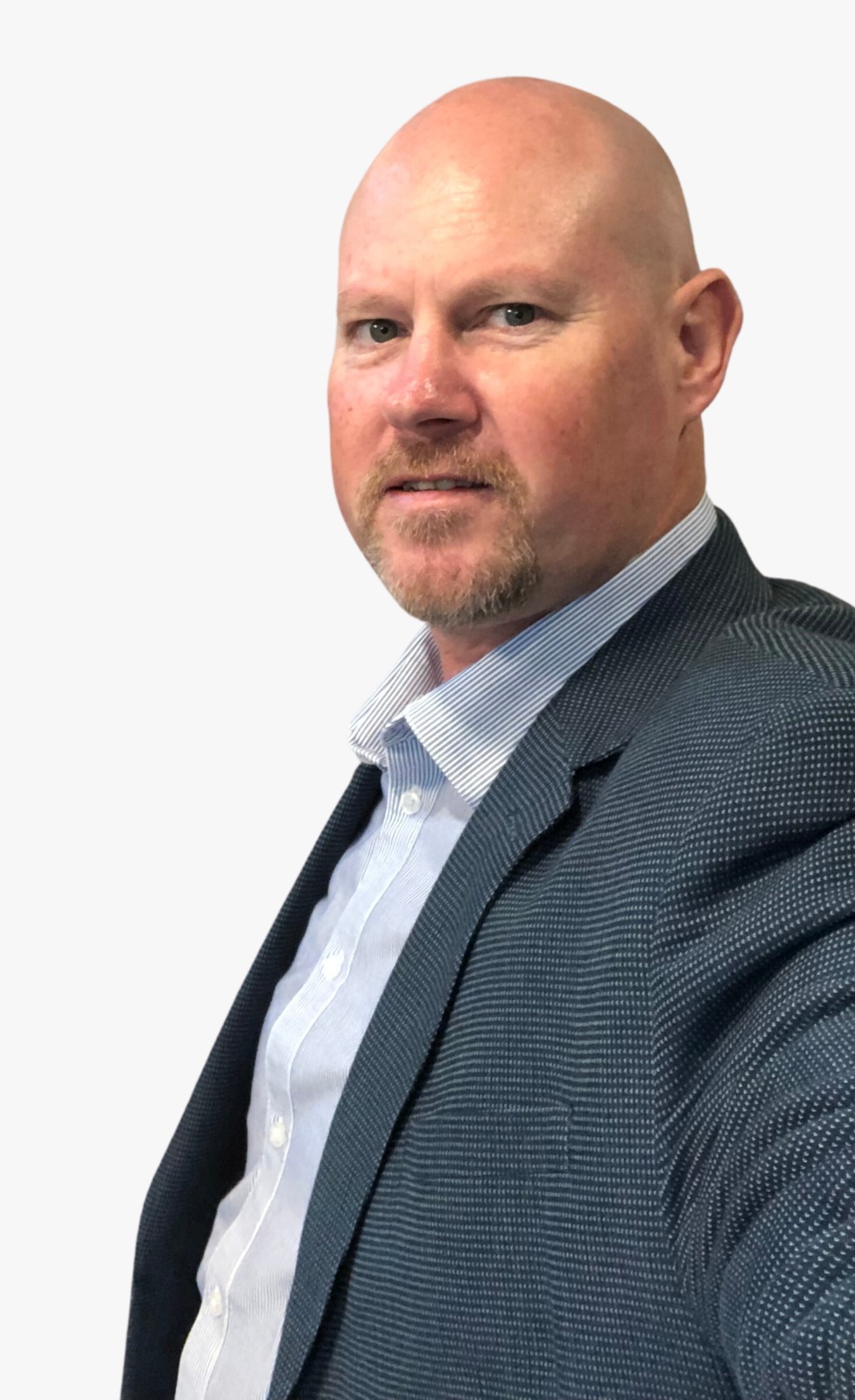
Rob Hetem remembers the moment he understood why. At a trade show in 2006, he watched representatives of a tourism business sitting inside their exhibition stand, eating lunch, while international buyers streamed past. “No one had explained how a trade show works,” recalls Hetem, who has spent more than two decades working in tourism development and transformation. “No one had shown them how to price for intermediaries, how to approach buyers or what buyers look for when assessing risk.”
When exhibitors went home without contracts, the usual conclusion was that the businesses weren’t ready for international markets. Hetem saw it differently. The businesses hadn’t failed. The model had put them in the room without equipping them to compete once they got there.
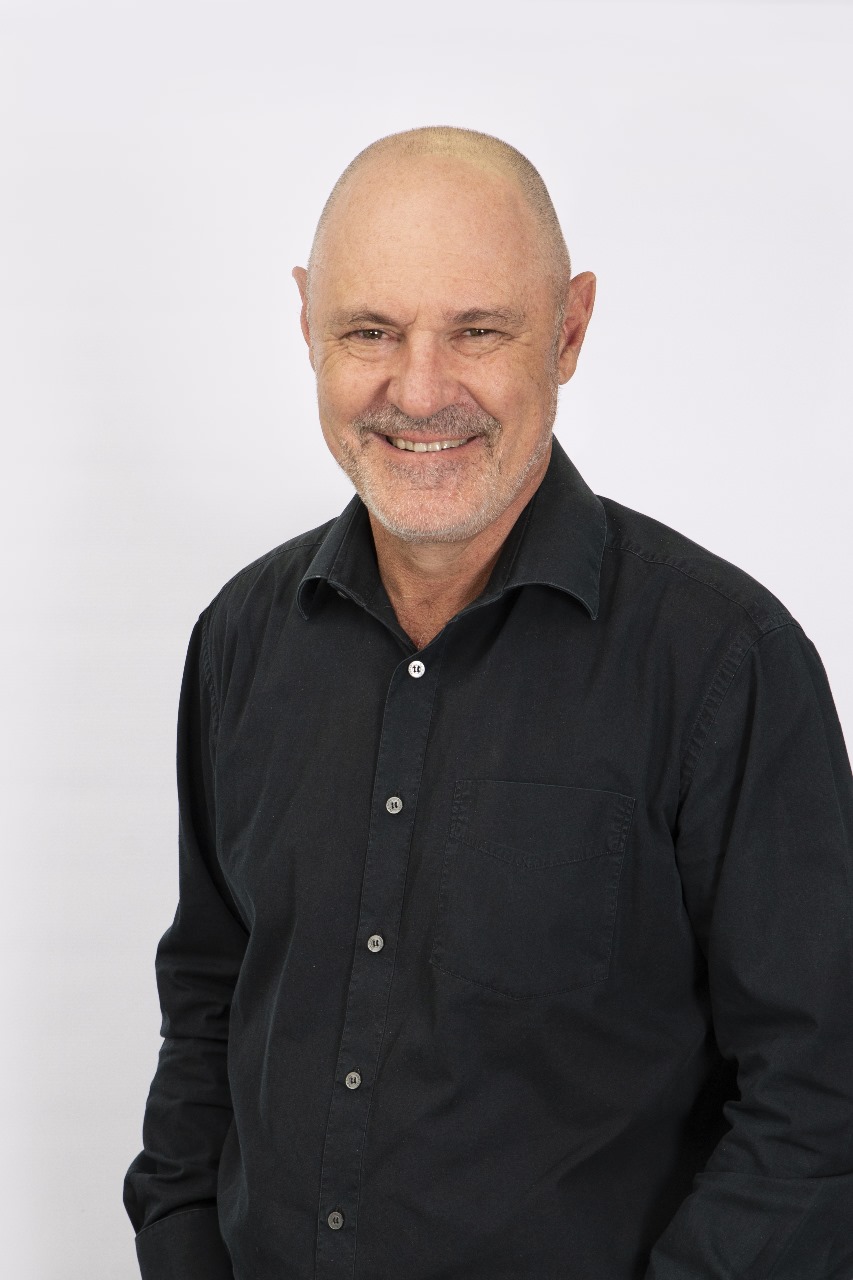
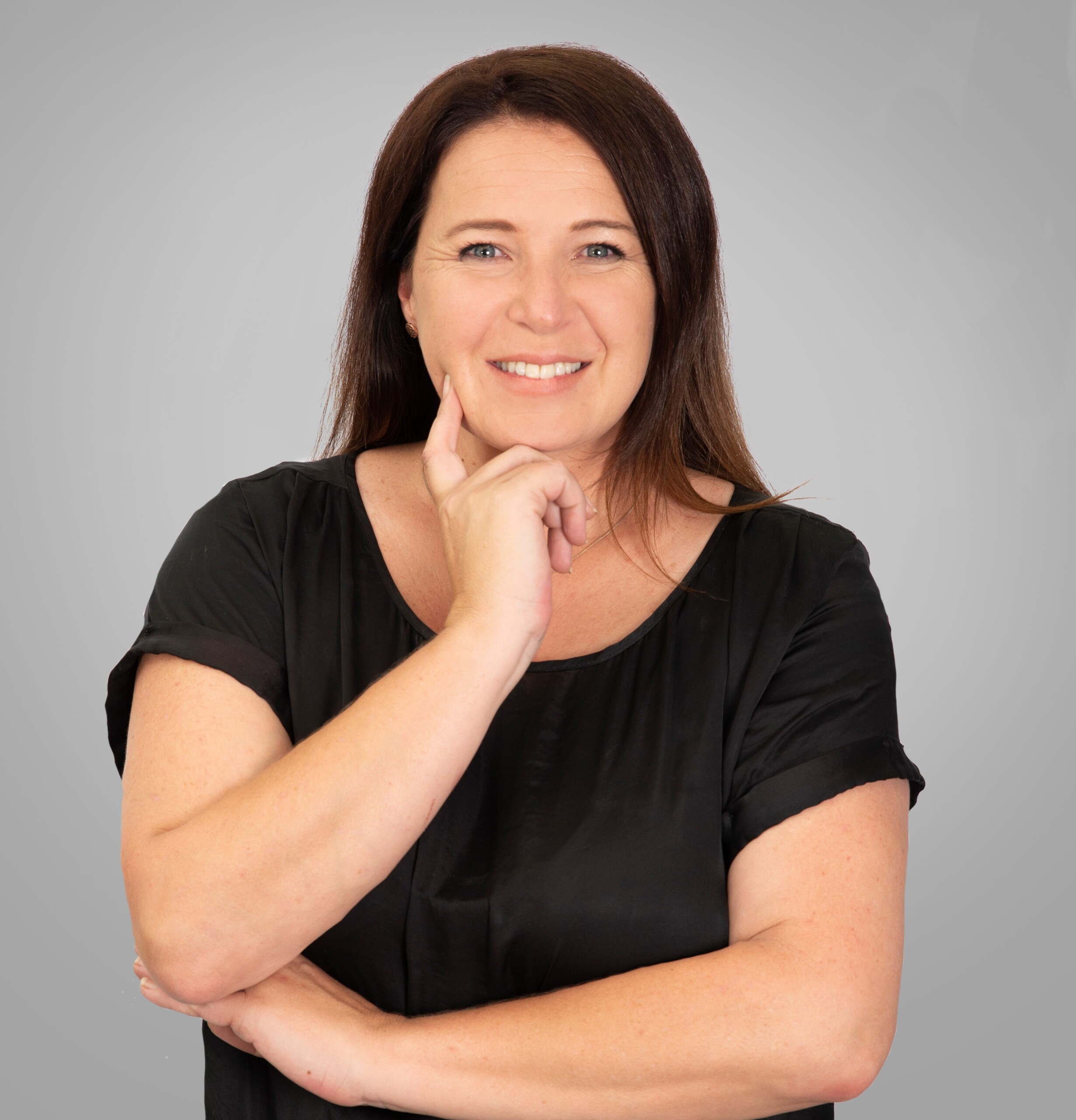
Those early lessons shaped a different approach. SATSA CEO David Frost, COO Hannelie du Toit and Rob Hetem brought their combined development, industry and sales experience together to build a model that prepares businesses properly before pushing them towards market access.
As Hetem explains, the journey starts with the less glamorous foundations: compliance, costing, pricing, packaging and distribution, with coaching and mentoring woven through each stage. Buyers only enter the picture once a business has the commercial tools and confidence to turn an introduction into something lasting.
Building businesses that can build others
The KwaZulu-Natal Department of Economic Development, Tourism and Environmental Affairs (EDTEA) Tour Operator Development Programme shows how the approach has evolved. Delivered by SATSA with Hetem leading it, the Tour Operator Project supported more than 70 small tourism businesses over four years. The fifth year added an important next step.
Working with the KwaZulu-Natal Tourism and Film Authority (KZN TAFA), the programme created a pathway for its strongest participants to move from business development into focused market access. KZN TAFA selected ten businesses with the potential to become commercial anchors in their regions, chosen not just for their own growth prospects but for the opportunities they could open up for others.
A capable local tour operator doesn’t need to sell a single accommodation establishment or experience. It can combine a lodge stay in St Lucia with a hiking experience in Underberg, a village homestay, a local transport provider and a small safari business.
To an international buyer, that’s one itinerary, one relationship and one contract instead of five. The lead operator handles pricing, compliance and quality standards, which lowers the buyer’s risk and gives smaller businesses access to markets they’d struggle to reach alone. One strong business becomes the commercial doorway for an entire network of local suppliers.
A model designed to multiply
“Our goal was to build ten reliable commercial anchors that could pull the rest of the ecosystem with them,” Hetem explains. He calls it “village alignment”: government provides the enabling investment, an NPO like SATSA coordinates the programme, experienced tourism businesses share what they know, and developing businesses grow into increasingly commercial roles.
Each participant contributes something different. The value is in how the pieces fit together. Rather than supporting businesses in isolation, the model builds a pipeline that keeps knowledge, opportunity and market access moving long after a specific programme ends.
That thinking is now reaching beyond South Africa’s borders. Ubuntu Travel Connexions, a Southern African tour operator turned marketer now based in Europe, has partnered with SATSA to launch the Ubuntu Incubator Programme. For 12 months, Charmaine Wardenberg’s Ubuntu will represent three trade-ready SMEs from the KwaZulu-Natal programme in the German market, at no cost to the businesses.
For the South African operators, it’s representation in a market they couldn’t easily enter alone. For Ubuntu, it’s a pipeline of tourism businesses that have already done the work to become compliant, reliable and ready to sell.
“It isn’t a new concept,” says Hetem. “We draw from the ideals of Ubuntu.” What’s different is applying that philosophy deliberately to commercial development, where success is measured not only by whether a business grows, but by how many others it brings into the tourism economy with it.
The same jointly developed approach shaped SATSA’s Desk to Desert initiative in the Northern Cape. The virtual familiarisation programme takes operators through compliance, pricing, distribution and marketing before they meet buyers, so they understand not just what a destination offers, but how to package and sell it.
From mentees to mentors
The clearest sign a development model is working may be what happens after the formal programme ends. Many participants go on to mentor other entrepreneurs, passing on the knowledge, connections and experience they once received themselves.
Thabo Modise started out selling T-shirts on Vilakazi Street before building Toura Travel Therapy. Today, known as “Thabo the Tourist,” he speaks at industry conferences, introduces visitors to Soweto’s art scene and creates opportunities for emerging artists.
Semadi Manganye and Paul Maluleke turned community guiding into GATHA, the Greater Alexandra Tourism and Heritage Association, which connects local tourism businesses while its greening projects supply fresh produce to restaurants in Sandton.
Thabo and GATHA aren’t just good news stories. Development that stops at keeping one entrepreneur afloat is only doing half the job.
The same principle runs through SATSA’s wider development work. In one initiative, 56 senior tourism professionals volunteered more than 1,000 years of combined industry experience to mentor 44 small tourism businesses over a year. Their focus was the practical commercial decisions that determine whether a business survives: pricing correctly, protecting margins, managing risk, and knowing when to walk away from an opportunity that isn’t worth it.
“These are results we’re proud of because they show that we now have development models that work,” says Du Toit. But she says success cannot be measured by business support alone. By the end of 2025, overseas arrivals had recovered to just 92% of pre-pandemic levels, according to Statistics South Africa. In her view, even the strongest enterprise development programme can only take businesses so far if the market itself is not expanding. “Readiness is only one side of the equation. We need to work just as deliberately on demand if the businesses we have developed are going to grow and remain sustainable.”