
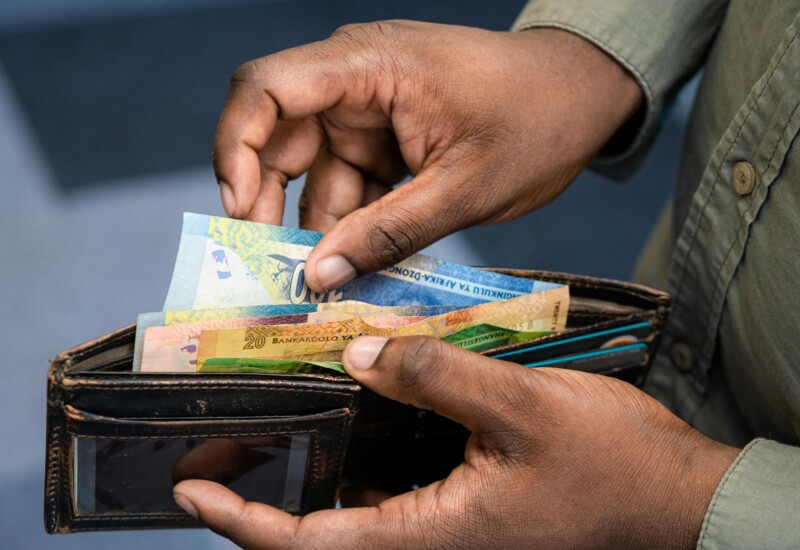
Search engines tell us that a flight between Johannesburg and Cape Town should cost less than R3,500, if booked in advance. Two nights stay in the Foreshore, about R5,500. A client dinner with drinks, about R2,000. Add a daily per diem of around R500 and all-in, that business trip should cost less than R14,000. It’s not cheap, but it’s a justifiable cost of doing business.
So why can the final bill end up closer to R20,000 when you book it yourself?
Herman Heunes, GM of Corporate Traveller South Africa, says the problem is most people don’t budget for the hidden costs beyond the search engine. “If you aren’t tracking the invisible spend – including change fees, ground transport, parking and other extras – you aren’t really managing your budget.”
Breaking it down
If you run a small or medium-sized business, you might still have “2019 prices” in mind. Many entrepreneurs remember a time when you could fly to Durban for a weekend, stay in a four-star hotel, enjoy meals and entertainment, and still come in under R10,000.
Those days are gone. Not because of reckless spending or splurging on luxuries, but because of changing times and hikes in the total cost of travel. The latest Global Business Travel Forecast by the Global Business Travel Association (GBTA) notes global travel prices (while stabilising) are at a historical high, projecting that spending would hit $1.57 trillion (R25.75 trillion) by the end of 2025. While this seems like a staggering price to pay for a seat at the table, 86% of trips are still considered worthwhile when it comes to achieving business objectives.
This increase in spend is being driven by higher operating costs across airlines and hotels, plus persistent geopolitical volatility.
The anatomy of ‘bill shock’
Capacity issues impose a “scarcity premium” on travellers in South Africa. Since the exit of domestic carriers like Comair and kulula.com and the restructuring of South African Airways, seat capacity has been constrained. This means last-minute, semi-flexible airfare now costs between R5,500 and R7,500.
While hotel room rates in major hubs have shown some relief, rates can still surge to over R4,000 per night (and more) during peak business weeks – with Mining Indaba and G20 requiring minimum-night stays.
Then add the peripheral costs. Ground transport includes parking, tolls, last-minute e-hailing, rentals, data and other associated costs. Fuel is another factor: the price ripples through the entire economy. Between car rentals, fuel costs, and e-hailing surcharges, a business can easily spend R3,500 before accounting for meals and “convenience”.
Admin is another cost. According to global studies, reconciling trip expenses is a major pain point with nearly a quarter of travellers struggling to submit claims on time – or losing their receipts completely.
You’re not saving
DIY booking feels disciplined because it looks like you’re avoiding fees and middlemen. In practice, going it alone means you have no negotiating power because SMEs often pay retail prices.
The “search trap” is real: you book the lowest fare you can see, only to realise later it’s non-refundable, excludes luggage, and charges for any changes.
Heunes warns that SMEs often get caught out because they focus on optimising their bookings for the cheapest fare, not for the reality of how business diaries actually work in practice. “The costs you don’t see upfront are the ones that blow the budget. When the client moves the meeting, you have no flexibility. You have to repurchase,” he says.
And don’t forget compliance: If you can’t produce the right documentation, you can’t claim back. SARS requires a valid tax invoice, which must include identification details, the wording “Tax Invoice”/“VAT Invoice”, and prescribed particulars. If your booking system doesn’t reliably deliver compliant invoices, the “cheaper” option can end up costing you more in unrecovered VAT and time on paperwork.
For international trips, a sudden currency swing between approval and payment can inflate a travel budget overnight. Managing this fluctuation is not about cutting out the coffee at the airport or reducing the per diem; it is about professionalising your travel programme. By using data to spot saving opportunities and leveraging the expertise (and buying power) of a partner who understands local volatility, SMEs can ensure that every rand spent on the road delivers a measurable return.
A travel management company can really help, says Heunes. Not by making travel “cheap” again, but by pooling demand for better rates, tightening paperwork, and building in flexibility so a change in plans doesn’t necessitate a re-purchase.
You can DIY a trip. Just don’t confuse “I did it myself” with “and saved money”. Because the savings can disappear as quickly as the last-minute changes and spontaneous decisions rack up!