It’s no secret that South Africa is making its mark on the global stage as one of the world’s top destinations. For the contemporary traveller in search of more meaningful, rooted experiences rather than the bucket-list mentality of the past, the country offers rich, immersive opportunities.
In fact, South Africa recorded over 8.56 million international arrivals between January and October 2025, an increase of 1.3 million visitors compared to the same period in 2024. October alone saw a 32% year-on-year surge, signalling sustained growth. This momentum is driven by a 29% increase in European markets and a 22% rise in North American travellers, many of whom are staying longer to immerse themselves in local rhythms rather than rushing through traditional tourist circuits.
“We are witnessing a fundamental shift where luxury is no longer defined by opulence, but by how immersive and authentic an experience is,” says Nick Dickson, CEO of Dream Hotels & Resorts. “International guests are looking for escapes that are genuine and respectful of the people and environment around them, and want to leave a destination feeling transformed.”
This transition toward transformative travel is shaping how international visitors choose their South African base.
The new pillars of South African tourism
With digital fatigue reaching critical levels globally, quiet cations are gaining traction among travellers seeking a break from an always-on lifestyle. Increasingly, trips are centred around disconnecting, slowing down and travelling with intention.
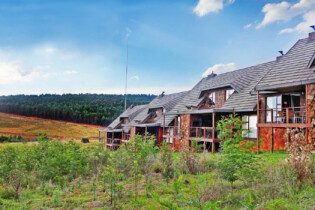
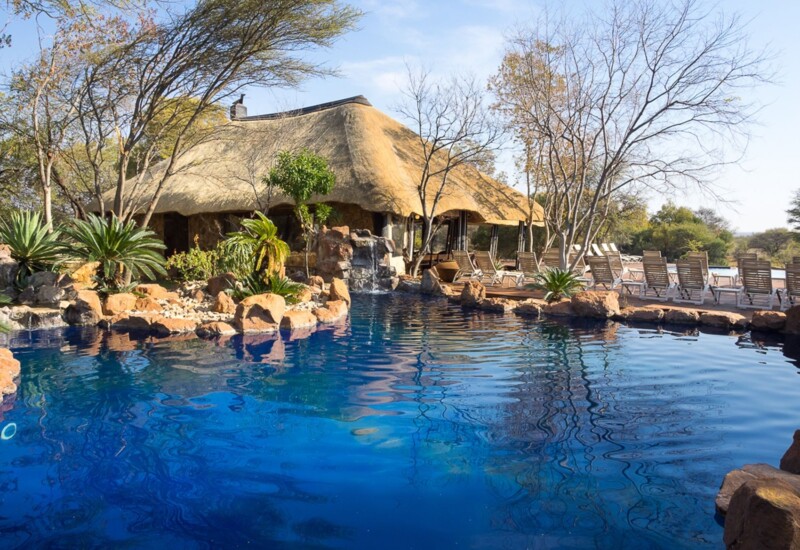
This shift has placed South Africa’s more remote regions firmly at the forefront of tourism recovery. “Finfoot Lake Reserve offers a distinctly immersive bushveld escape for travellers seeking to disconnect and reset,” says Dickson. Set within the Greater Pilanesberg area, the reserve combines natural tranquillity with low-impact, experience-led activities, including guided bush walks, cycling trails, canoeing and birdwatching, encouraging guests to slow down and reconnect with nature.
Finfoot Lake Reserve further reflects Dream Hotels’ commitment to immersive, non-transactional travel experiences. With free-roaming wildlife, expansive landscapes and a strong focus on outdoor exploration, guests are able to engage with the environment at their own pace, a key drawcard for international travellers seeking authenticity over itinerary-driven travel.
Beyond mere silence, ‘nature bathing’, inspired by the Japanese practice of Shinrin-yoku, is now recognised as a key component of the modern wellness itinerary. Travellers are prioritising experiences that promote mental clarity, from guided bush walks to quiet, restorative moments in nature, with the success of a holiday increasingly measured by how effectively it restores internal balance.
Sustainability has also shifted from a buzzword to a non-negotiable priority. Travellers are increasingly wary of greenwashing and expect transparency from the brands they support, choosing destinations where tourism spend directly contributes to conservation and community upliftment. From sourcing produce locally to implementing energy-efficient practices, the focus is on leaving destinations better than they were found.
This move towards slower, more ethical travel is redefining the South African hospitality landscape. Travellers are no longer just passing through; they are looking to be part of a broader story of conservation and cultural preservation.
“The modern traveller wants more than a beautiful hotel room and room service. What they value most is the opportunity to respectfully explore and understand South Africa, its culture, landscapes and people,” concludes Dickson. “It’s a privilege to help facilitate these experiences.”