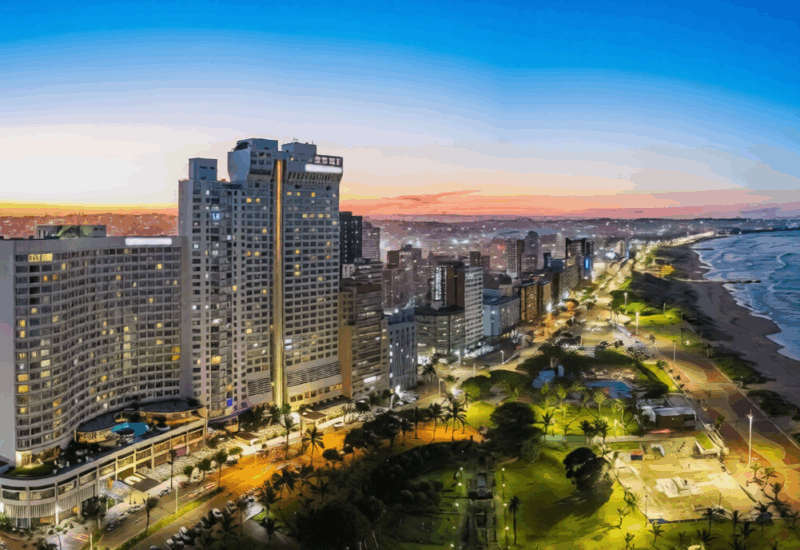
As Africa’s Travel Indaba returns to Durban from 11 to 14 May, the focus turns to how the continent is positioning itself within the next phase of global tourism growth.
Hosted at the Durban International Convention Centre, the event brings together tourism operators, policymakers and investors to explore partnerships that drive the growth of travel across Africa.
Tourism Minister Patricia de Lille said the tourism sector is shifting from recovery to growth, with forecasts from the World Travel and Tourism Council suggesting tourism could contribute about $168 billion to Africa’s economy and support more than 18 million jobs over the next decade. A key driver of this growth is rising intra-Africa travel, supported by improved connectivity, regional trade and increased investment in tourism infrastructure.
Within this environment, business travel is becoming more experience-led, with corporate travellers placing greater value on destinations that combine conferencing, connectivity and authentic travel experiences.
“Events like Africa’s Travel Indaba highlight how business travel across the continent is evolving,” says Nick Dickson, Group Custodian at Dream Hotels & Resorts. “There is growing demand for travel within Africa itself, and for experiences that balance productivity with a strong sense of place. This is where the industry has a real opportunity to create more connected and experience-driven travel across the continent.”.
Dream Hotels & Resorts’ has a strong presence across southern Africa, and with its recent expansion into Botswana. they are positioning themselves to support increased regional business and leisure travel demand. This expansion aligns with the broader rise of intra-Africa travel, as hospitality groups respond to growing demand for accommodation and conferencing options across emerging regional business hubs.
Recent investment in conferencing facilities, transport networks and hospitality offerings highlights how business events are being recognised as a driver of economic growth. Major events contribute billions of rand to the local economy while supporting jobs across accommodation, transport and small tourism businesses.
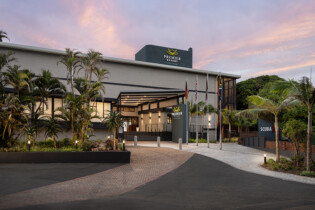
Across the continent, this investment is becoming increasingly evident, particularly in KwaZulu-Natal where hospitality and conferencing infrastructure continues to evolve alongside growing business tourism demand. Properties such as Zimbali Lodge by Dream Hotels and Resorts have undergone refurbishments to better support conferencing and corporate travel, while coastal and inland destinations continue to offer opportunities for extended stays and incentive travel. This combination of infrastructure investment and destination appeal is becoming increasingly important as African countries compete in the global meetings, incentives, conferences and exhibitions market.
Importantly, the impact extends beyond venues. Trade events like Africa’s Travel Indaba create opportunities for local businesses, from tour operators to restaurants, reinforcing tourism’s role as a broad-based economic contributor. As the event unfolds, it reflects a broader shift: Africa’s tourism growth will increasingly be driven by stronger regional connections, continued infrastructure investment and collaboration across borders.
“The opportunity lies in building an integrated travel ecosystem across the continent,” says Dickson. “That includes not only world-class venues, but the partnerships, infrastructure and experiences that make travel across Africa more accessible and appealing.”