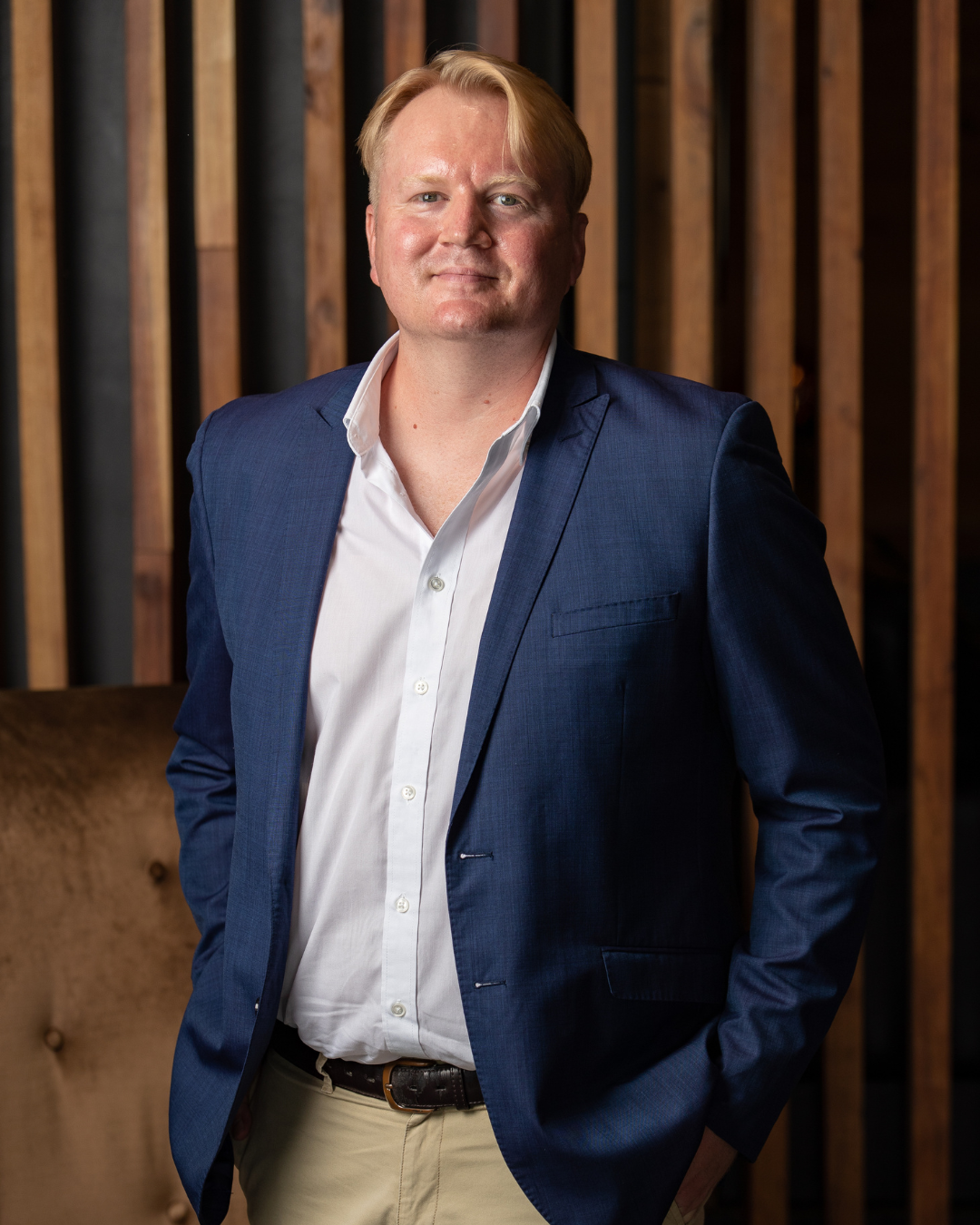
 By Ryan Roach, Group Commercial Director, Newmark Hotels & Reserves
The meetings and events industry have undergone a significant shift in recent years. While venue aesthetics, technology and catering remain important considerations, today’s organisers are increasingly prioritising something far more practical: convenience.
Nowhere is this more evident than in Sandton. As South Africa’s leading business district and one of Africa’s most important commercial centres, Sandton remains a hub for conferences, executive meetings, strategy sessions, training workshops and corporate events. However, as business travel and event expectations continue to evolve, so too do the factors influencing venue selection.
In today’s fast-paced business environment, time has become one of the most valuable commodities. Event planners are looking for venues that minimise logistical complexity while maximising productivity and attendee engagement. The focus is no longer solely on the meeting room itself, but on the entire delegate journey.
Accessibility has become a key differentiator. Easy connections to transport networks, proximity to major corporate headquarters and convenient access to dining, accommodation and business amenities all contribute to a more successful event. For many organisers, reducing travel time and simplifying logistics can have as much impact on an event’s success as the programme itself.
This is particularly relevant in Johannesburg, where traffic congestion and lengthy commutes can affect attendance and the overall delegate experience. Venues located within established business precincts offer a distinct advantage, allowing attendees to spend less time navigating the city and more time focused on meaningful engagement.
There is also growing demand for integrated hospitality offerings that combine accommodation, conferencing and dining within a single environment. Organisers are increasingly seeking venues that can accommodate delegates from arrival through to departure without the need to coordinate multiple suppliers or locations.
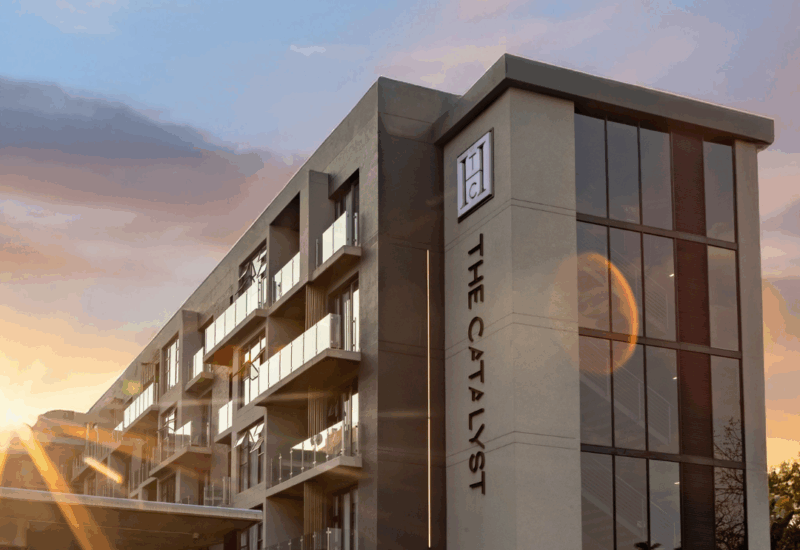
At The Catalyst Hotel in Sandton, we have seen this trend first-hand. Event organisers are looking for venues that offer a central location, flexible meeting spaces, quality accommodation and dining options within a single destination. The ability to streamline
logistics while maintaining a high standard of hospitality has become a key consideration in the planning process.
Technology expectations have also evolved. Reliable connectivity, flexible meeting spaces and hybrid-ready environments are no longer considered added benefits; they are essential requirements. Delegates expect to move effortlessly between physical and digital engagement, whether participating in a strategy session, training workshop or larger conference.
The rise of business-leisure travel is also influencing venue selection. Corporate travellers are increasingly extending work trips to enjoy local dining experiences, wellness offerings and leisure activities. As a result, organisers are placing greater value on venues that offer more than simply a place to meet.
For the broader MICE sector, this reflects a shift towards smarter, more efficient event planning. Venues that can reduce friction, simplify coordination and support both organisers and attendees throughout the event journey are becoming increasingly valuable partners.
Looking ahead, the future of meetings and events in Johannesburg will be shaped by venues that prioritise flexibility, accessibility and seamless service delivery. The focus is shifting from simply hosting an event to creating environments where people can connect, collaborate and achieve meaningful outcomes.
In a competitive market, convenience is no longer a nice-to-have. It has become a strategic advantage. As Sandton continues to strengthen its position as Africa’s leading business hub, the venues that simplify logistics and deliver seamless delegate experiences will be best positioned to meet the evolving needs of modern event planners and business travellers alike.