The South African Department of Home Affairs’ introduction of the MEETS and STAGES digital visa schemes brings many new opportunities for the country’s MICE (meetings, incentives, conferences, and exhibitions) industry.
South Africa’s business events industry has long called for practical reforms to the visa system, hampered by visa delays, high administrative burdens, and unpredictable timelines. With the recent announcement of the Meetings, Events, Exhibitions and Tourism Scheme (MEETS) and the Screen Talent and Global Entertainment Scheme (STAGES), we are beginning to see those changes take shape.
MEETS is specifically designed to cater to delegates, speakers, exhibitors and attendees participating in business events hosted in South Africa. Applications will be processed entirely online, and approvals will be issued far quicker than under previous manual systems.
STAGES, on the other hand, facilitates simplified digital visa access for international film and television production professionals. The programme responds directly to past challenges, such as the loss of a R400 million Netflix production due to visa backlogs and slow manual processing.
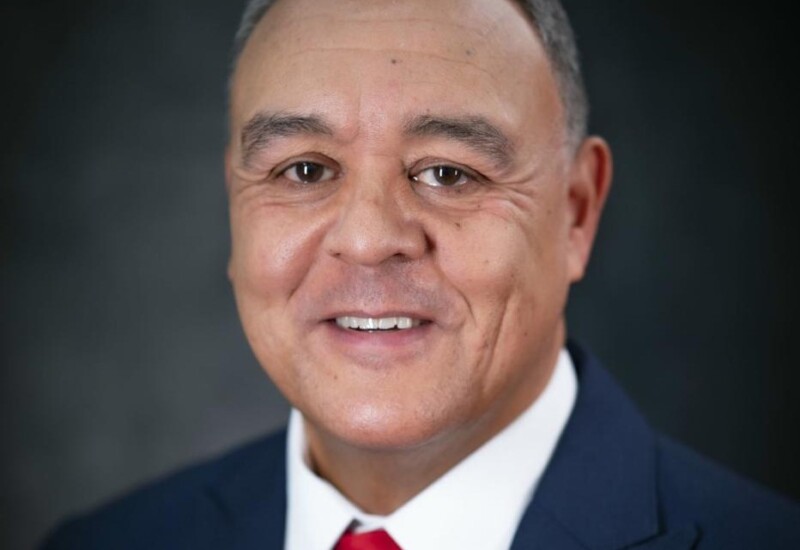
“We are pleased that our work and engagements have yielded this progress, which will aid our bidding process,” says Glenton de Kock, Chief Executive Officer of the Southern African Association for the Conference Industry (SAACI). “The changes will enhance accessibility and improve the country’s global competitiveness as a destination for international business events.”
The shift toward automated, data-driven, and fraud-resistant visa systems allows conference organisers to confidently pitch for large-scale international events, knowing that they can now offer efficient and transparent visa processing.
A sift in national immigration strategy
The MEETS and STAGES schemes, announced by Minister of Home Affairs Dr. Leon Schreiber during the Department’s 2025/26 Budget Vote speech on 10 July 2025, form part of a broader, strategic initiative – Home Affairs @ Home – to digitise the Home Affairs ecosystem and decentralise government services.
These initiatives follow the earlier rollout of the Trusted Tour Operator Scheme (TTOS), which has already provided over 17,000 tourists from China and India with expedited visa access. Building on that success, MEETS and STAGES will now support even broader categories of economic activity: the international events, creative, and production sectors.
The schemes are being developed in tandem with the Electronic Travel Authorisation (ETA) system, which will launch in September 2025 and automate tourist visas for key air arrival points, including OR Tambo and Cape Town International Airports. The ETA will use machine learning to process visa outcomes within seconds.
From a logistics perspective, the Department is also modernising South Africa’s six busiest land border posts through a public-private partnership. Automation, dedicated vehicle and pedestrian lanes, and integrated data systems will play a key role in improving cross-border event planning and delivery.
Turning policy into impact
“With these schemes, South Africa’s events industry has the policy support it needs to compete globally,” notes de Kock. The broader implications for tourism growth, job creation, and skills development across the events value chain cannot be overstated, either.
However, the digital visa transition must now be matched by robust implementation and wide-reaching communication to ensure international organisers and participants know about and can access these new processes. SAACI will be supporting this rollout by providing feedback mechanisms from members and helping to bridge the gap between policy and practice.
“We recognise that MEETS will be a vital enabler for the sector and will continue to work closely with the Department of Home Affairs and other stakeholders to advocate for the industry’s needs and to make this work, not just for the headline events, but for all meetings, incentives, conferences and exhibitions that contribute to our economy.”